
Posts Tagged ‘Moving Forward in Mobility’
Bionic Assistive Devices: Robotic Arms, Exoskeletons & Smart Wheelchair Technology
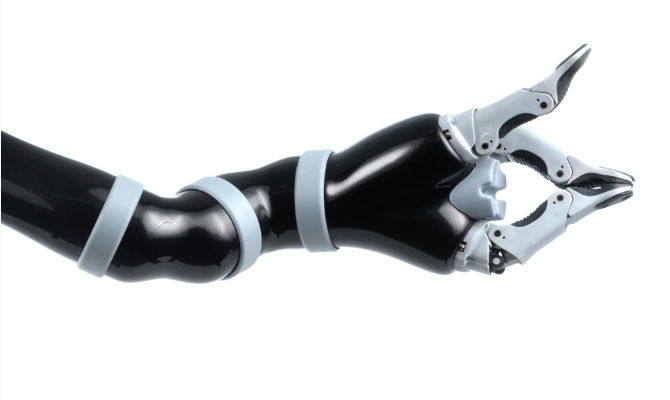
A Guide to Today’s Assistive Technologies Reviewed by: Kelsy Brown, OTD, OTR/L Lindsey Sharpe PT, DPT, ATP Taking a sip of water. Standing at the kitchen counter for meal prep. Opening a door. Blowing your nose. All are commonplace activities, things you don’t think about until you can’t do them anymore. For millions of Americans living with…
Read MoreDoes Insurance Cover Transportation for Wheelchair Repair or Evaluation Appointments?

In most cases, no. Many private health insurance plans, Medicare and Medicaid programs do not routinely cover transportation to Complex Rehabilitation Technology (CRT) evaluations, fittings or repair appointments. At a Glance What Does Insurance Typically Cover for Transportation to CRT Appointments? NEMT is an insurance benefit that provides transportation to medical appointments for individuals who don’t have a reliable or accessible way to get there. It’s most commonly…
Read MorePrior Authorization for CRT Equipment Repairs: Facts Every CRT User Should Know

At-A-Glance Summary Many health insurance carriers require prior authorization to repair CRT equipment that’s already been approved. The process involves submitting several documents and other information to your insurance provider for approval. Waiting for approvals often adds one to four weeks to the process and can delay CRT users from getting the repair they need.…
Read MoreNational Seating & Mobility Takes the Hassle Out of Managing Medical Supplies
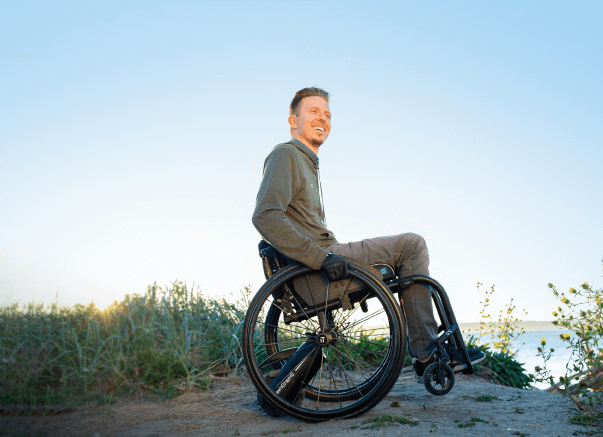
We work with your insurance, healthcare providers and top manufacturers to keep your supplies coming — seamlessly. For caregivers and those who rely on home medical supplies, juggling your supply needs and shipments can easily become a full-time job. National Seating & Mobility (NSM) is already a trusted partner for Complex Rehabilitation Technology (CRT) users,…
Read MoreTaking the Confusion Out of Prior Authorization

Helping you understand when Prior Authorization and other documentation are required for new equipment or repairs Ready for a new wheelchair or need a repair to your mobility equipment? Navigating prior authorization requirements with your health insurance carrier can be one of the most confusing parts of the process. At National Seating & Mobility (NSM),…
Read MoreNavigating CRT for Your Child

New to the world of mobility equipment? Don’t worry! This article will help you navigate your child’s mobility journey with confidence. For a child with mobility issues, Complex Rehabilitation Technology (CRT) equipment can open doors to greater mobility and independence for the entire family. But the process of finding the right mobility solution for your…
Read More