
Panther Park: Louisville’s $1 Million Accessible Playground for Children of All Abilities
At-A-Glance
- Panther Park in Louisville, Kentucky, is a $1 million inclusive playground designed for children of all abilities.
- Featuring adaptive equipment, ramps and sensory-friendly components, it allows kids with mobility challenges, autism or other disabilities to play safely and independently.
- The park was inspired by Luke, a young boy with a spinal cord injury, and built with community support to promote social interaction and inclusion for all children.
What began as one mother’s wish for her son became Panther Park, a nearly $1 million inclusive playground in Louisville, Kentucky. The park gives children of all abilities — including those who use wheelchairs or other mobility devices — a safe and fun space to play together.
What Is an Inclusive Playground?
An inclusive playground is designed so children of all abilities can play safely and independently. Features often include:
- Ramped access for children and caregivers using mobility equipment;
- Sensory-friendly components for children with autism or sensory sensitivities;
- Adaptive playground equipment that supports mobility challenges; and
- Smooth, accessible surfaces for easy navigation.
Inclusive playgrounds promote social interaction, independence and outdoor play for all children.
Luke’s Journey: From Spinal Cord Injury to Greater Independence
Luke, now 6, was born with a cervical spinal cord injury, although it wasn’t diagnosed until he was about four months old. Then living in Minnesota, the Madsons quickly started Luke in therapy.
“By the time he was two years old, we really just weren’t seeing much progress and were just kind of managing his condition,” Sarah recalled. “So, we were looking for other options and discovered Frazier’s pediatric program for neuro recovery.”
The Frazier Rehab Institute in Louisville offers comprehensive outpatient rehabilitation options for children with:
- Spinal cord injuries,
- Neuromuscular disorders,
- Cerebral palsy
- Brain injuries and more.
For Sarah, the initial conversation sparked a sense of hope.
“That first phone call was the first time someone ever said ‘recovery’ to me,” she said. “So we went down to Kentucky, and Lyke started therapy. He went from not moving independently to sitting and feeding himself to using an adaptive trike and then even a walker.”
Based on Luke’s success, the family made the decision to stay in Louisville and began to put down roots. One of the first steps, Sarah says, was finding a church and exploring Luke’s school options.
“We explored the public-school options for Luke,” Sarah said. “It was going to be a shared aide between 90 students. Luke has a spinal cord injury and walks with a device. He needs help with toileting and transferring, so that really wasn’t going to work for him.”
After finding a church home at Our Savior Lutheran Church in Louisville, the Madsons also enrolled their children in the church’s private school, with a part-time aide and Sarah partnering to provide the assistance Luke needs during the school day.
The Need for an Accessible Playground in Louisville
With three children, playgrounds are a big part of the Madson’s life. But traditional playgrounds posed several accessibility challenges for Luke:
- Wood chips or mulch that made them difficult to navigate independently using mobility equipment;
- Stairs rather than ramps; and
- Playground equipment that wasn’t adaptive.
With the closest accessible playground a 20-minute drive away, the Madsons made do with traditional playgrounds — but Luke was quickly growing tired of having to be carried by his parents.
“It was either him sitting out and watching or building a place where he could be included,” Sarah said.
How Panther Park Was Funded and Built
As the leader of the school’s parent organization, Sarah asked if she could try to raise funds to update the school’s playground, making it fully accessible. With approval secured, she got to work, despite having little fundraising experience.
With guidance from the DREAM Foundation of Kentucky, Sarah:
- Wrote grants,
- Met with accessible playground designers,
- Organized community fundraising efforts, and
- Educated potential donors about the need.
A year later, Panther Park was complete. The project was made possible by nearly $1 million in funds including donations from the Justin Thomas Foundation, WHAS Crusade for Children, Kosair for Kids, private donors and many more.
What Makes Panther Park an Inclusive Playground?
While the playground began as a way to give Luke greater opportunities for freedom and independence, Sarah wanted to make sure it also catered to children of all abilities.
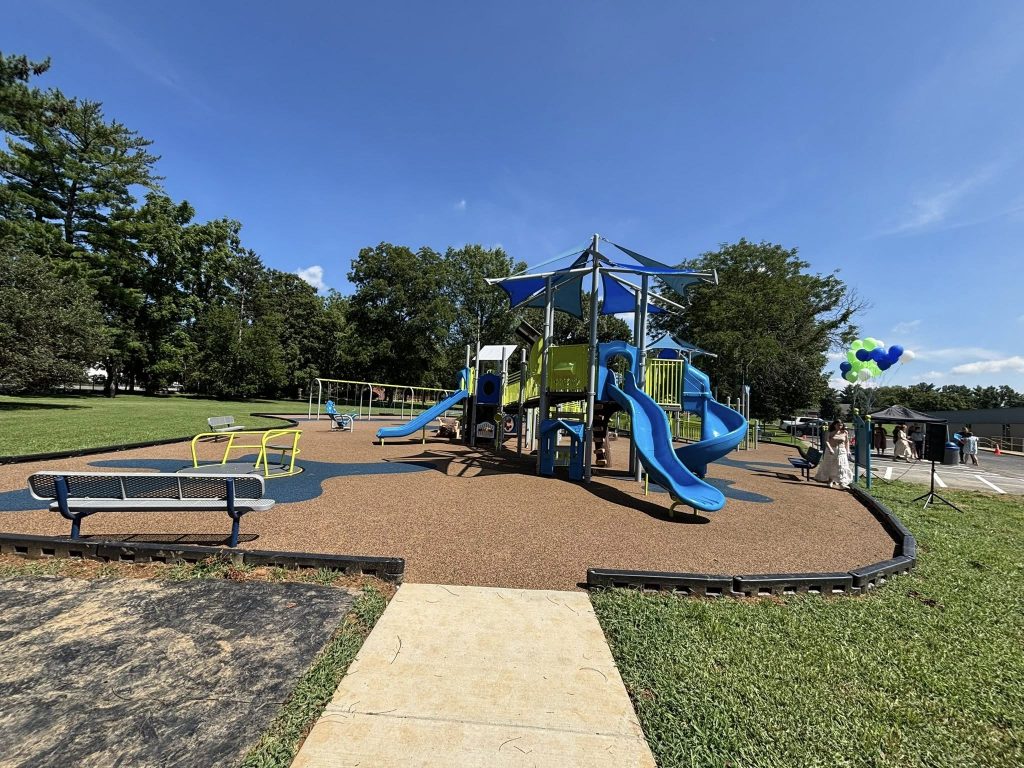
Panther Park is designed so children of all abilities can play together, safely and independently. The playground includes:
- Fully ramped access, allowing children and caregivers who use mobility equipment access to the entire playground;
- Sensory-friendly components designed for children with autism or sensory sensitivities;
- A no-static roller slide that’s safe and fun for children with cochlear implants;
- Smooth, accessible surfaces that allows for easy navigation; and
- Adaptive equipment that’s friendly to children who use mobility devices or have other mobility challenges.
Luke even helped a little with the design, making sure Sarah remembered to add a surface spinner as well as a twisty slide.
“We were ready to order, and I showed him the design, and he said, ‘Where’s the twisty slide?’” Sarah recalled. “I hadn’t realized that was so important to him, but thankfully we were able to switch that out last minute.”
How to Start an Inclusive Spaces in Your Community
Sarah, who now works for the DREAM Foundation of Kentucky, the nonprofit that helped spearhead the Panther Park project, offered advice for individuals seeking to create more inclusive spaces in their communities.
- Just start. “It’s not going to happen unless someone decides to do it, so take the initiative and try,” she said.
- Focus on education first. “People don’t just give money, so you have to educate them on what this opportunity really means,” Sarah shared. Share stories and information about how the inclusive space will help the wider community, then ask for donations. People want to be involved in things they feel invested in.
- Find partner organizations that share your vision. “There are organizations that help people get started,” Sarah said. From fundraising experts to consulting services and more, look for organizations that can help you achieve your goals.
Submit Your Story
Do you have an NSM client or caregiver story we need to hear? Send them to NSMFeedback@nsm-seating.com!
More Stories
Related Articles
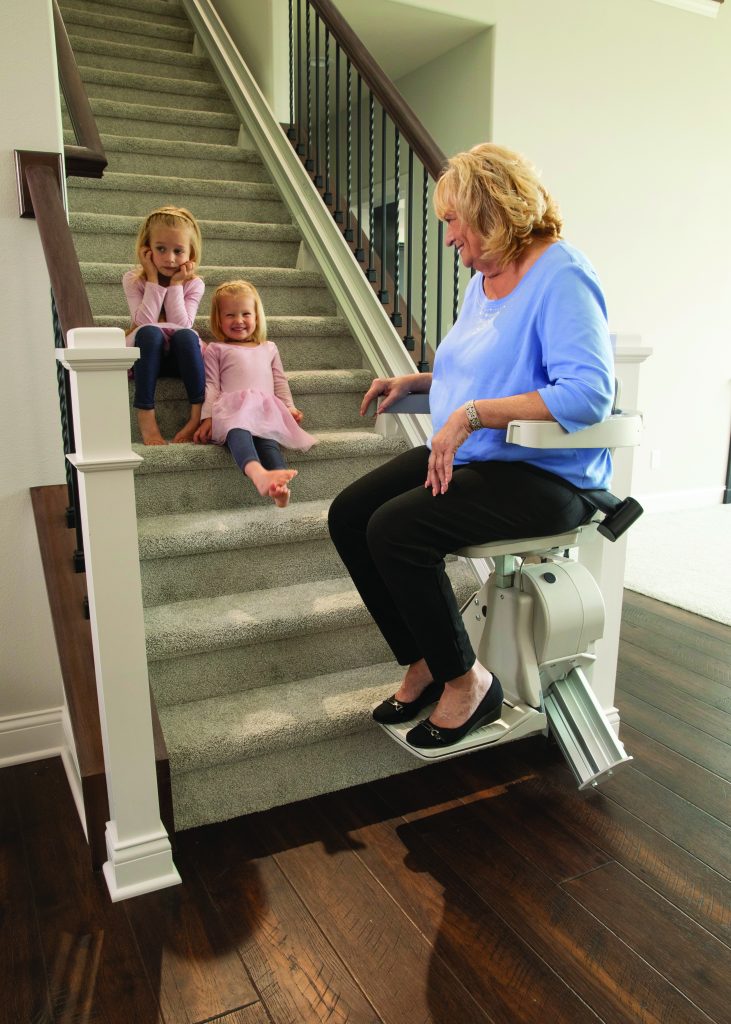
Installing a stairlift in a townhome or condo
NSM Home Access expert Terry Farrigan weighs in on common questions about stairlifts By NSM Home Access Team For CRT users and others with mobility issues, a stairlift can be a valuable…
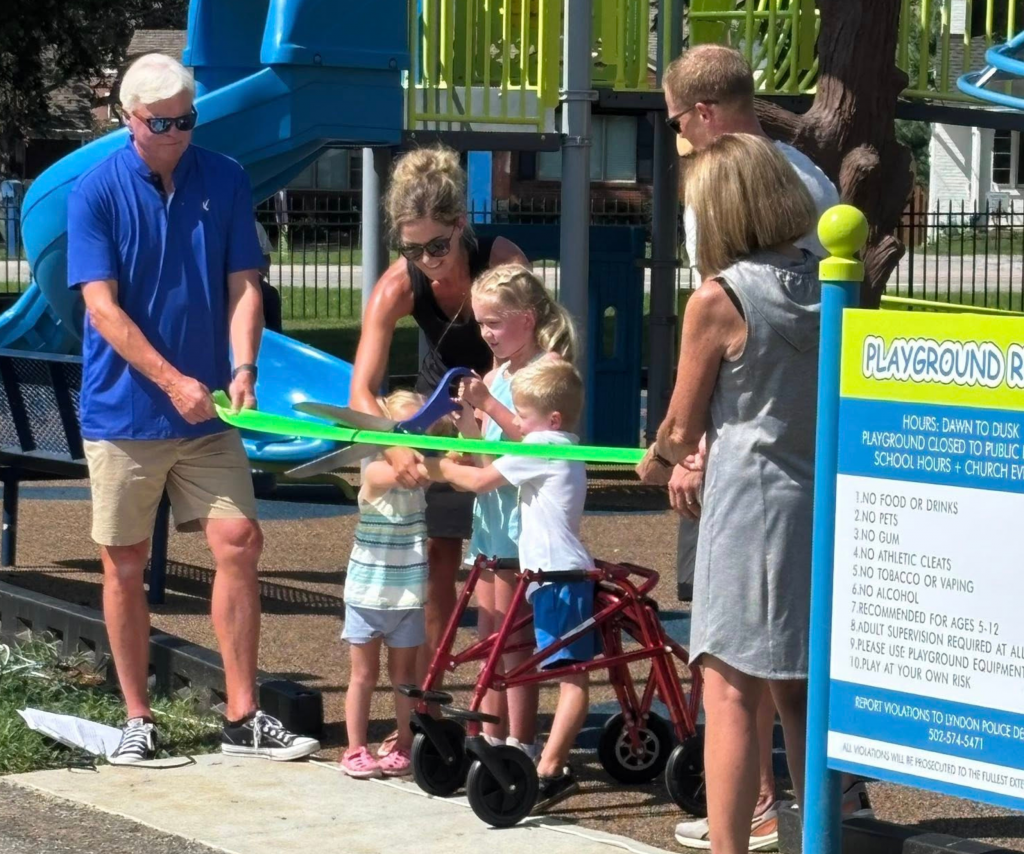
Panther Park: Louisville’s $1 Million Accessible Playground for Children of All Abilities
At-A-Glance What began as one mother’s wish for her son became Panther Park, a nearly $1 million inclusive playground in Louisville, Kentucky. The park gives children of all abilities — including those…
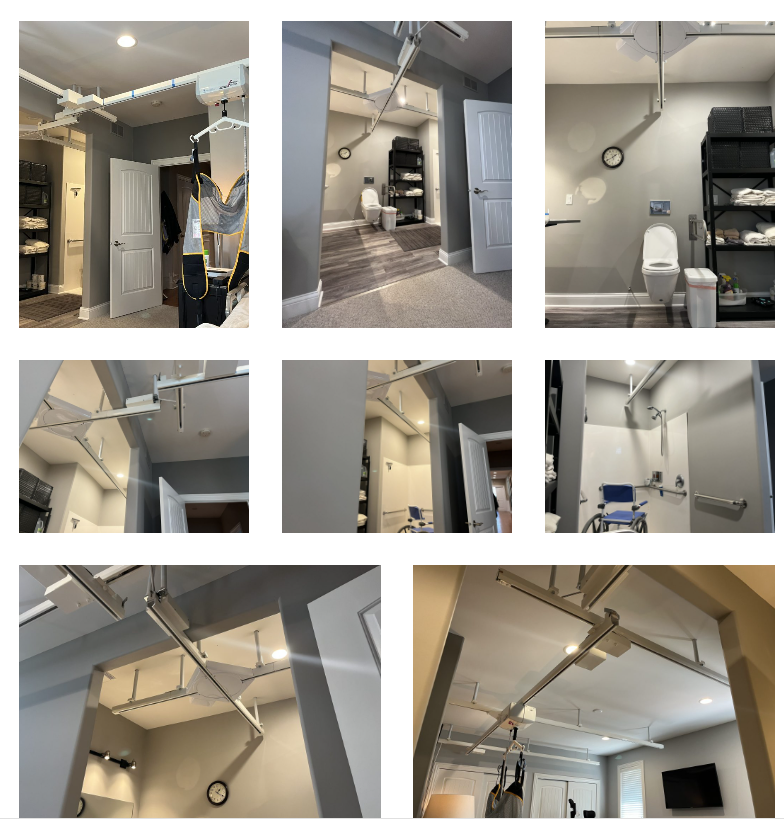
Achieving Greater Independence at Home through Home Access Solutions
At-a-Glance: Custom Home Access for Independence How a Ceiling Lift System Transformed Daily Life for Chicago-Area Entrepreneur Jeremy Siegers For Jeremy Siegers, creativity is part…