
Why Wheelchair Preventive Maintenance Matters
Six Facts Every CRT User Should Know
Wheelchair preventive maintenance is routine service that helps prevent breakdowns, improve safety and extend the life of complex rehabilitation technology (CRT) equipment. Most insurance plans do not cover wheelchair preventive maintenance, which often forces CRT users to wait until equipment fails before repairs are approved.
At-A-Glance Summary
- Most insurance providers do not cover preventive maintenance for complex rehabilitation technology (CRT) equipment.
- Preventive maintenance can reduce wheelchair breakdowns, injuries and health complications.
- Many wheelchair parts wear out before a chair’s expected five-year lifespan.
- Wheelchair preventive maintenance may help reduce emergency repair delays and loss of independence.
What Is Wheelchair Preventive Maintenance?
Preventive wheelchair maintenance may vary based on the type of CRT equipment and individual needs, but common service items may include:
- Inspecting tires and casters for wear
- Checking bearings and moving parts
- Testing batteries and power systems
- Inspecting motors, electronics and joystick controls
- Reviewing seating, positioning and pressure distribution
- Tightening loose hardware and adjusting alignment
- Identifying worn components before failure occurs
Insurance Rarely Covers Wheelchair Preventive Maintenance
For people who rely on CRT equipment, their wheelchair isn’t optional. It’s essential for mobility, health and independence.
Because preventive maintenance isn’t covered by most insurance carriers, CRT users may:
- Experience small issues turning into catastrophic equipment failures
- Longer repair times
- Face decreased mobility and independence as well as lost income or missing family and social events
- Experience medical complications such as pressures injuries or increased risk of falling
Six Facts About Wheelchair Preventive Maintenance
So, how could coverage for preventive maintenance help CRT users? Here are six important facts to know.
1. Wheelchairs Require Ongoing Maintenance
CRT equipment is highly customized and often made up of thousands of components. Since CRT users rely on mobility equipment every day, wear and tear adds up over time.
Parts wear out or require maintenance to keep a wheelchair working at optimal levels. Like routine oil changes or tire rotations for a car, preventive maintenance helps address issues before they become larger problems.
2. Preventive Maintenance Can Help Reduce Equipment Failures
When wear and tear goes unchecked, it can contribute to additional damage or equipment malfunctions. Preventive maintenance reduces breakdowns by identifying problems early.
Benefits include:
- Fewer emergency repairs
- Shorter downtime
- Lower long-term repair costs
3. Routine Adjustments Make Sure Your Chair Fits Correctly
A CRT wheelchair is configured to meet a user’s specific needs, including posture, alignment, pressure distribution and comfort.
Frequent adjustments can help ensure equipment continues to meet those needs over time and support proper seating and positioning.
4. Maintenance Directly Impacts Health and Safety
When a CRT user is immobile or incorrectly seated, health risks increase, including:
- Pressure sores
- Musculoskeletal concerns
- Falls
- Collisions
Preventive maintenance coverage would help reduce these risks by ensuring your CRT equipment is safe, stable and properly fitted.
5. Mobility Equipment Helps Support Independence
For CRT users, mobility equipment plays an important role in work, daily routines and spending time with family and friends.
Wheelchair equipment failures can contribute to lost mobility and missed income and make it more difficult for users to participate in everyday life. Preventive maintenance coverage would help CRT users continue moving through their lives with fewer disruptions.
6. Research Points to the Value of Preventive Maintenance
Clinical research shows that:
- Many wheelchair components fail before their expected 5-year lifespan (Spinal Cord, the official journal of the International Spinal Cord Society)
- Proactively checking equipment can lead to fewer accidents (Clinical Rehabilitation)
- The more complex the mobility equipment, the greater probability of high-risk chair failure, often affecting wheelchair users with the most severe diagnoses and mobility needs.
- Wheelchair failures that result in immediate consequences, such as being stranded or missing work or appointments, lead to a higher likelihood of developing pressure sores or being hospitalized (Archives of Physical Medicine and Rehabilitation)
Learn more about the research supporting preventive maintenance coverage for CRT equipment.
The wheelchair parts that most commonly fail include:
- Manual chairs: casters, tires and bearings
- Power chairs: electronics, batteries and motors for power chairs.
Preventive maintenance coverage would help reduce accidents and improve long-term outcomes for CRT users.
Did You Know You Can Make a Difference?
As a CRT user, your experience can help legislators and health insurance carriers better understand the value of preventive maintenance coverage.
Research What’s Happening in Your State
Follow advocacy organizations like NCART, iNRRTS, AAHomecare and other advocates to stay informed about ongoing efforts and what is happening in your state.
Share Your Story
Lawmakers and health insurance providers may not fully understand the impact wheelchair failures can have on daily life, work and health. Sharing your experience and real examples can help others better understand the value preventive maintenance coverage could provide. Find your elected officials.
Make Your Voice Heard
In many ways, private healthcare insurance providers follow the examples of Medicare and Medicaid. Call the Centers for Medicare and Medicaid Services (CMS) directly at 1-800-633-4227 to urge coverage of preventive maintenance.
Frequently Asked Questions
What is preventive maintenance for wheelchairs?
Preventive maintenance involves routine service and adjustments that help keep CRT equipment functioning at optimal levels and addresses wear and tear before a failure occurs. This can include checking tires, casters, batteries, electronics, seating systems and positioning to keep equipment functioning safely and effectively.
Does insurance cover preventive maintenance for wheelchairs?
In most cases, insurance plans do not cover preventive maintenance for CRT equipment. Coverage often begins when a wheelchair part fails, which can contribute to delays, loss of mobility and disruptions to work and daily activities.
Why is wheelchair preventive maintenance important?
Preventive maintenance may help reduce wheelchair breakdowns, support proper seating and positioning and lower health and safety risks related to equipment failure. For CRT users, maintaining reliable mobility equipment can also help support independence and participation in daily life.
What wheelchair parts wear out most often?
Research has found that parts such as casters, tires and bearings for manual chairs, along with electronics, batteries and motors for power chairs, may fail before the expected useful life.
What are some signs my wheelchair might need maintenance?
New and unusual noises, a wheelchair that’s suddenly difficult to maneuver, visible wear and tear and a power chair battery that’s no longer holding its charge can all be signs your wheelchair might need a tune up. Learn more about signs your wheelchair needs maintenance.
More Stories
Related Articles
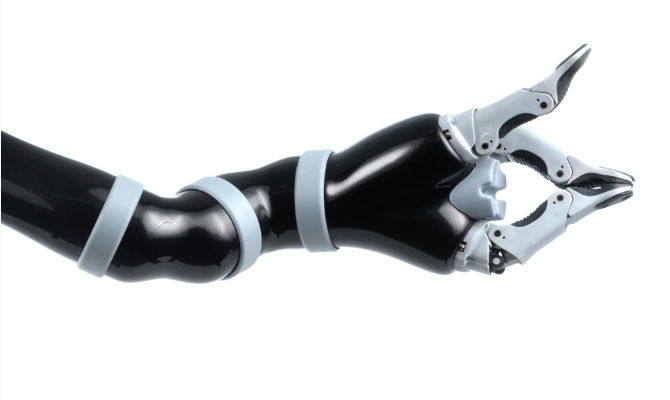
Bionic Assistive Devices: Robotic Arms, Exoskeletons & Smart Wheelchair Technology
A Guide to Today’s Assistive Technologies Reviewed by: Kelsy Brown, OTD, OTR/L Lindsey Sharpe PT, DPT, ATP Taking a sip of water. Standing at the kitchen counter…

Traveling with Catheters: TSA Rules, Packing Tips and Flying with Urology Supplies
With a little planning, traveling with catheters and urology supplies can be easier than you think Reviewed by the NSM Medical Supplies Team You can safely…

Does Insurance Cover Transportation for Wheelchair Repair or Evaluation Appointments?
In most cases, no. Many private health insurance plans, Medicare and Medicaid programs do not routinely cover transportation to Complex Rehabilitation Technology (CRT) evaluations, fittings or repair appointments. At a Glance What Does…