
Installing a stairlift in a townhome or condo
NSM Home Access expert Terry Farrigan weighs in on common questions about stairlifts
By NSM Home Access Team
For CRT users and others with mobility issues, a stairlift can be a valuable addition to your home. In addition to allowing you to enjoy every inch of your home, a stairlift can also help instill greater independence, reduce the risk of falls and allow older adults to age in place in the homes they love.
If you live in a condo or townhome and have mobility challenges, you may wonder whether a stairlift can be installed in your home. The good news is that most condos and townhomes can accommodate a stairlift. However, HOA rules, permits, electrical requirements and staircase design can all affect the installation process.
Can you install a stairlift in a townhome or condo?
Yes. Most condos and townhomes can accommodate a stairlift. However, you may need HOA approval, a permit or electrical modifications depending on your property’s rules and staircase design.
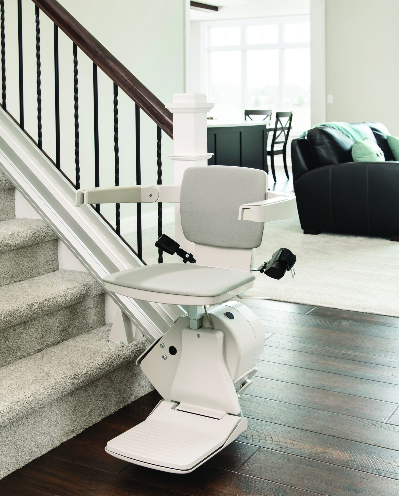
“Condos and townhomes that are governed by a Homeowner’s Association (HOA), sometimes require permission from the HOA or may require you to get a permit to install a stairlift,” said Terry Farrigan, NSM Access General Manager, based out of Albany, New York.
Thinking about installing a stairlift? Ask yourself these questions.
After addressing ownership and approval requirements, it’s time to look at the practical considerations of installing a stairlift. The answers to a few key questions can help determine whether any additional work or permissions may be needed before installation.
Do you own your unit or rent?
In most cases, if you are the homeowner, any decisions about what happens inside your home or unit are up to you — but you need to be familiar with your HOA’s governing documents and regulations to be sure. The HOA may need to approve the installation, which could delay the process a bit.
If you are a renter, you may not have the authority to make decisions about significant installations, such as a stairlift. You should contact the owner, landlord or property manager for permission and to determine what requirements you need to meet to proceed with installation.
Is an electrical outlet required for a stairlift installation?
The simple answer is yes. Stairlifts need power to work, so easy access to an electrical outlet is vital. If an outlet isn’t located within 10 feet of the stairs, you may need to have one installed to proceed with the stairlift installation. Be sure to check with the owner or your HOA as they may require a licensed electrician to handle any new electrical work.
Is your staircase straight or curved?
The layout and configuration of your townhome or condo can affect the type of stairlift you need as well as the final cost.
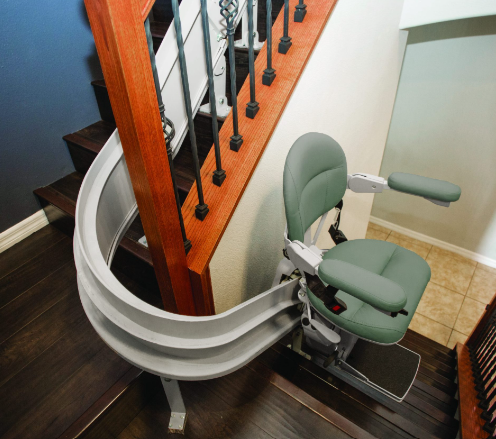
“If your stairs go up and then curve, you may need to consider a curved stairlift,” Farrigan said. “Standard straight stairlifts are the most common and most affordable, but curved stairlifts and straight stairlifts with options are also available.”
Because of the intricacy of a curved stairlift, the installation may take a little longer and the cost can be significantly higher than a straight stairlift. Farrigan suggests providing measurements and photos or scheduling an in-home consultation so your home access professional can get a better idea of your needs and customize a solution that fits your home and needs as well as your budget. In some cases, depending on if the staircase has a landing and the user’s level of mobility, installers may be able to install two straight stairlifts, which may help lower the cost.
“No customer is identical, and every single customer’s needs are different,” Farrigan said. “We’re here to make your life easier. That’s what we do.”
How much does a stairlift cost?
The cost of a stairlift depends on the layout of your staircase and any custom features required.
- Straight stairlift: typically range from $3,000-$5,000
- Curved stairlift: typically start at $14,000
- Upgrades such as power swivels, power footplates and folding rails can all add to the final cost.
Does insurance cover stairlifts?
Medicare and private insurance carriers typically do not cover stairlifts, so most customers purchase them out of pocket. Straight stairlifts are usually less expensive, while curved stairlifts, which feature longer rails and take longer to install, generally cost more.
Upgrades or additional features may be necessary for the user’s comfort and needs or to allow the stairlift to work optimally in your townhome or condo.
What is the process of purchasing a stairlift?
The process of purchasing a stairlift and having it installed is fairly straightforward. In many cases, the entire process from first conversation to installation can be completed in as little as a few days to a few weeks.
- Reach out to NSM Home Access. Since insurance doesn’t cover stairlifts, you don’t need a referral or prescription to start the process of exploring your options.
- Explain your home layout and your needs. The home access team will ask for details about the user, such as weight, level of mobility and other factors that could influence the type of stairlift needed, as well as information about your home, like measurements, number of steps and placement of doors and outlets. It can also be helpful to send photos.
- Schedule an in-home consultation. In-home consultations don’t usually take long but can allow the home access provider to take measurements, evaluate the stairlift user’s needs and note any layout or space challenges. The home access provider will provide a written estimate, detailing the cost of the equipment, any customizations and installation.
- Installation. If you decide to move forward with the installation and pay a deposit, the home access provider will order the equipment. After the equipment is ordered and delivered, installation can be completed in as little as a day. Installing a straight stairlift usually takes two to three hours, while curved stairlift installations can take longer but are still typically completed in one day.
Do stairlifts require regular maintenance?

Yes, stairlifts do require regular maintenance, Farrigan said.
“All manufacturers recommend routine maintenance once a year,” she said. “It usually includes cleaning the track and gear teeth, re-lubricating moving components, testing the battery and replacing it if needed, as well as inspecting the system for proper operation.”
Your home access supplier/installer may offer an annual maintenance plan, with annual maintenance costs starting around $150 for standard stairlifts and increasing in cost depending on the make, model and if the stairlift is straight or curved. If you have questions, Farrigan advises reaching out to a local home access provider who can help you navigate the process.
Can you take the stairlift with you if you move?
Most stairlifts can be removed and reinstalled in your new home, if desired. Farrigan recommends reaching out to your home access supplier or installer prior to your move, and notes that most companies that sell, install or service stairlifts will also remove, relocate and reinstall them.
If the layout of your new home doesn’t exactly match your straight stairlift, Farrigan says they often can be adapted to fit your new space.
“If the townhouse is 15 steps or 16 steps, and then you move to a raised ranch, you could cut that down to seven steps,” she said. “If you need to install the stairlift on the opposite side of the staircase, many models can be converted for left or right-hand installation.”
While this is true for most straight stairlifts, curved stairlifts are a little different. Most are configured for a very specific space, meaning you may need to buy a new rail to fit your new home.
If you no longer need the stairlift, Farrigan suggests reaching out to your home access provider, since many suppliers buy back used equipment.
Explore Your Stairlift Options
Whether you live in a townhome, condo or single-family home, you or your loved ones may benefit from a stairlift. Start the process of exploring your options by contacting the NSM Home Access team, who will work to create solutions that fit your unique mobility needs.
Click here to learn more about Home Access Solutions and connect with the NSM Home Access team!
More Stories
Related Articles
Installing a stairlift in a townhome or condo
NSM Home Access expert Terry Farrigan weighs in on common questions about stairlifts By NSM Home Access Team For CRT users and others with mobility issues, a stairlift can be a valuable…
Panther Park: Louisville’s $1 Million Accessible Playground for Children of All Abilities
At-A-Glance What began as one mother’s wish for her son became Panther Park, a nearly $1 million inclusive playground in Louisville, Kentucky. The park gives children of all abilities — including those…
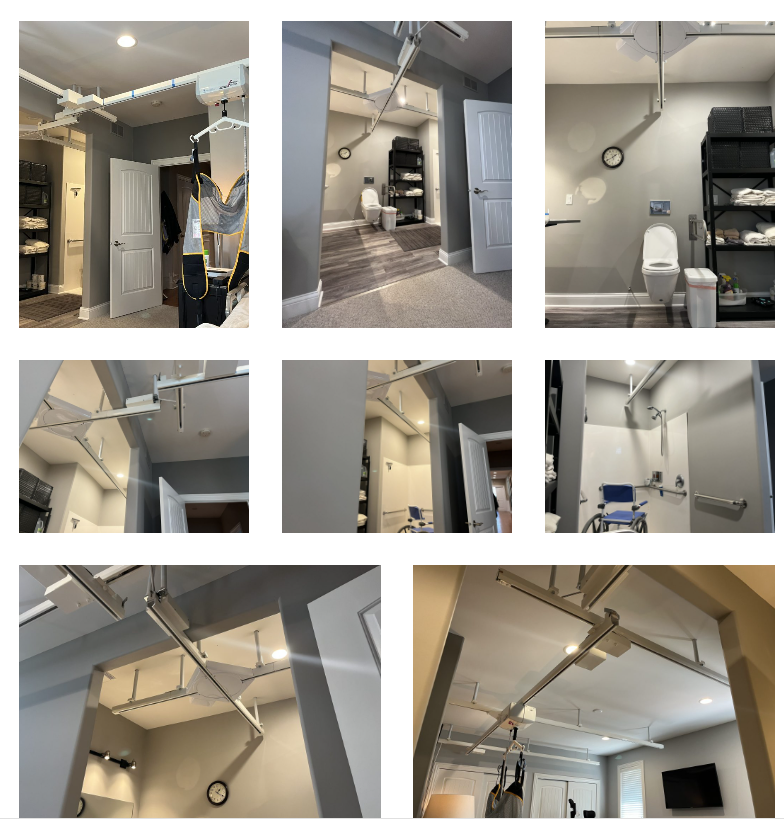
Achieving Greater Independence at Home through Home Access Solutions
At-a-Glance: Custom Home Access for Independence How a Ceiling Lift System Transformed Daily Life for Chicago-Area Entrepreneur Jeremy Siegers For Jeremy Siegers, creativity is part…