
Does Insurance Cover a Loaner Wheelchair During Repairs?
3 Ways Temporary Replacement Coverage Would Help CRT Users
For people who rely on Complex Rehab Technology (CRT), even a short repair delay can disrupt daily life. When a wheelchair breaks down, access to loaner wheelchairs can mean the difference between maintaining independence and being unable to work or attend school, go to medical appointments or participate in daily activities.
Many CRT users ask: Does insurance cover loaner wheelchairs during repairs. The answer depends on your insurance plan. While Medicare generally covers temporary replacement equipment for up to one month during repairs, most commercial insurance plans don’t provide coverage for loaner wheelchairs. Because CRT repairs can sometimes take several weeks or months, many users deal with decreased mobility and independence while waiting for repairs to be completed.
Quick Answer: Does Insurance Cover a Loaner Wheelchair During Repairs?
Most commercial insurance plans do not cover a temporary or loaner wheelchair while a CRT wheelchair is being repaired. Medicare generally provides coverage for temporary replacement equipment for up to one month during repairs. Because CRT repairs can take longer than a month, many users may experience gaps in mobility and independence while waiting for their equipment to be repaired.
At-A-Glance Summary
- Most commercial insurance carriers do not cover temporary wheelchair replacement while a CRT user’s chair is being repaired.
- Medicare covers temporary replacement during repairs, but only for up to one month.
- CRT repairs can take up to two months, leaving users without their equipment.
- Loss of mobility during repairs can lead to lost wages, missed appointments and serious medical complications.
- CRT users can contact their insurance carrier and elected officials to advocate for temporary replacement coverage.
What Is Temporary Replacement Coverage?
Temporary replacement coverage is an insurance benefit that provides CRT users with a loaner or rental wheelchair while their primary chair is being repaired.
CRT equipment is highly customized and specifically tailored to each user’s needs, including posture, mobility and critical medical needs, so a lengthy repair isn’t just an inconvenience. Users can’t simply switch to a standard chair when their primary wheelchair needs repairs.
While Medicare covers temporary replacement for up to one month during a repair, most commercial insurance carriers do not offer coverage for loaner wheelchairs. Even when loaner coverage is available, replacement chairs rarely match all of a CRT user’s specifications due to the level of complexity and customization involved. Rather than exact substitutes, loaner chairs are designed to be functionally similar and provide essential mobility during lengthy repairs.
Why Do CRT Repairs Take So Long?
Repairs to CRT equipment take time and often involve multiple steps that can extend repair timelines, including:
- Prior authorization requirements
- Ordering specialized replacement parts
- Shipping delays and more.
As a result, repairs can sometimes take up to two months or longer to complete.
Why Is Temporary Replacement Coverage Important?
CRT equipment ensures users can live their lives with optimum mobility and independence, and repairs often leave users without the equipment they need to do so.
When CRT users don’t have access to the equipment they need to live their daily lives, it can lead to:
- Lost wages from missed work
- Missed medical appointments
- Increased social isolation
- Reduced independence
- Greater risk of medical complications, including pressure injuries
How Could Temporary Replacement Coverage Help CRT Users?
Expanded coverage for loaner chairs could help wheelchair users:
- Maintain Mobility and Independence.
Many CRT users don’t have reliable backup chairs. Temporary replacement coverage would ensure CRT users have the ability and equipment needed to keep moving through their daily lives — participating in work and school, keeping up with healthcare appointments and taking part in community activities.
- Reduce Health Risks.
Prolonged time without needed CRT equipment can lead to health risks including pressure-related complications, as well as reduced access to healthcare services.
A 2018 study published in Archives of Physical Medicine and Rehabilitation found that when a breakdown had immediate consequences—such as being stranded, injured, or missing work or appointments—CRT users:
- Reported higher pain levels and poorer perceived health,
- Were about 2 times more likely to be rehospitalized, and
- Face a higher likelihood of developing pressure sores within 12 months.
In addition to medical complications, breakdowns can also affect income, mental health and increased social isolation.
- Potentially Improve Access to Loaner Equipment.
Temporary replacement coverage may enable CRT suppliers to maintain a wider range of loaner options. While replacement chairs are not a direct replacement and cannot be customized to fit every CRT user’s specific needs, access to loaner equipment could help provide essential mobility while repairs are underway.
How Can CRT Users Advocate for Temporary Replacement Coverage?
As a CRT user, your experience can help policymakers and insurance providers better understand the impact of wheelchair repair delays and the need for loaner equipment.
Understand Your Insurance Benefits
Temporary replacement coverage can differ depending on your insurance carrier. Seek to understand your health plan benefits, including any provisions regarding temporary replacement when your primary chair is being repaired.
Stay Informed by Following CRT Advocacy Organizations
Follow advocacy organizations like NCART, iNRRTS, AAHomecare and other advocates to stay up-to-date about ongoing efforts and learn what is happening in your state.
Share Your Story
Lawmakers may not fully understand the positive impact temporary wheelchair replacement coverage could have on your daily life. By sharing your story and real examples of how having access to a loaner chair would affect your life, work and health, you can help them understand the benefits temporary replacement coverage would provide. Find your elected officials.
Contact Your Insurance Carrier
Most commercial insurance carriers don’t provide temporary wheelchair replacement coverage. Sharing your story and explaining how greater access to loaner equipment would allow you to remain mobile and independent and decrease potential medical complications may persuade them to examine their policies. Reach out to your insurance carrier to urge temporary replacement coverage.
Frequently Asked Questions
Does insurance cover a loaner wheelchair during repairs? In most cases, commercial insurance does not cover temporary wheelchair replacement. Medicare provides coverage for up to one month, but repairs can take longer, leaving CRT users without their equipment.
How long does a CRT wheelchair repair take? CRT repairs can take up to two months, depending on factors such as prior authorization requirements, parts availability and shipping times.
What happens if my wheelchair is being repaired and I don’t have a backup chair? Without access to a loaner chair, CRT users may experience loss of mobility and independence, missed medical appointments, lost wages and potential medical complications such as pressure injuries.
Can I advocate for temporary replacement coverage? Yes. CRT users can contact their insurance carrier directly, share their stories with elected officials and follow advocacy organizations like NCART, iNRRTS and AAHomecare to stay informed about ongoing efforts.
More Stories
Related Articles
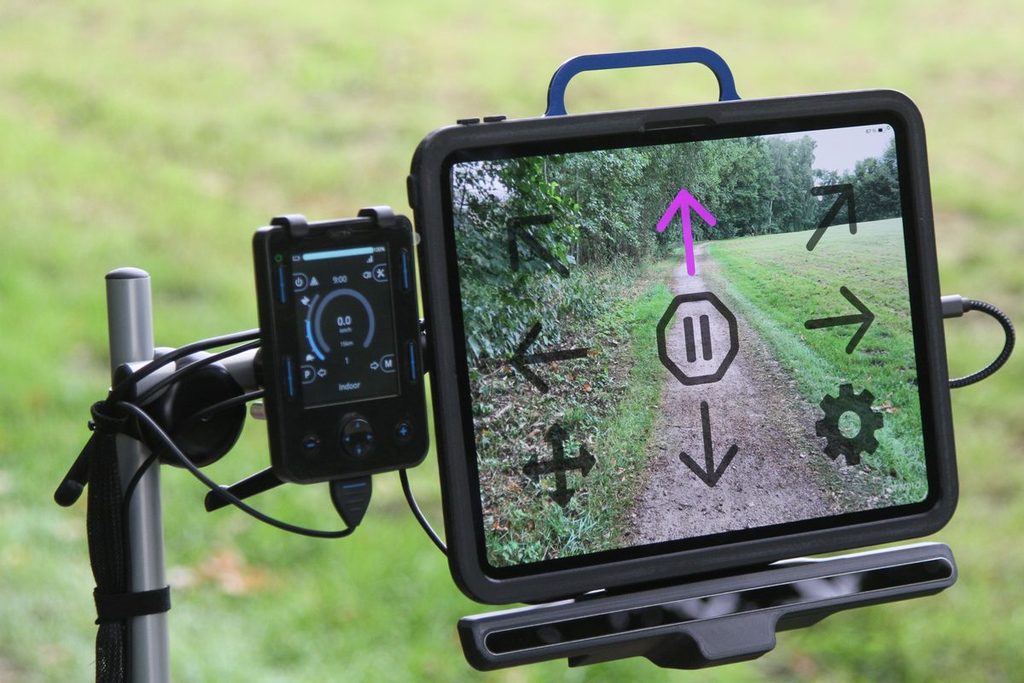
Power Wheelchair Joystick Alternatives & Smart Safety Technology
How eye gaze, sip-and-puff, head arrays and drive assist systems help people with limited hand movement stay mobile, safe and independent. At a Glance Power…
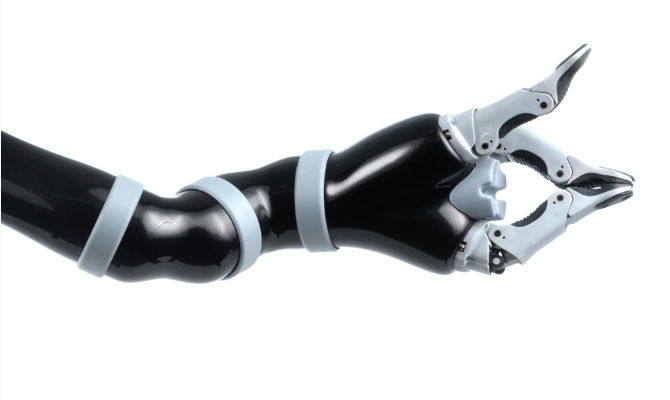
Bionic Assistive Devices: Robotic Arms, Exoskeletons & Smart Wheelchair Technology
A Guide to Today’s Assistive Technologies Reviewed by: Kelsy Brown, OTD, OTR/L Lindsey Sharpe PT, DPT, ATP Taking a sip of water. Standing at the kitchen counter…

Traveling with Catheters: TSA Rules, Packing Tips and Flying with Urology Supplies
With a little planning, traveling with catheters and urology supplies can be easier than you think Reviewed by the NSM Medical Supplies Team You can safely…