
Traveling with Catheters: TSA Rules, Packing Tips and Flying with Urology Supplies
With a little planning, traveling with catheters and urology supplies can be easier than you think
Reviewed by the NSM Medical Supplies Team
You can safely travel with catheters and urology supplies. Whether you’re flying, driving or taking a cruise, planning ahead, packing extra supplies and understanding TSA rules can help ensure a smooth trip.
Traveling with a catheter: Quick answers
- You can bring catheters on airplanes.
- Medically necessary liquids are allowed through TSA.
- Pack 2–3 days of supplies in your carry-on.
- Bring extra supplies for unexpected delays.
- Keep prescriptions and supplies in original packaging when traveling internationally.
- Research your route and destination for accessible restrooms, ERs and urgent care locations.
- Request an accessible hotel room when you make your reservation and check in about a week before your trip.
Can You Bring Catheters on a Plane?
Yes. TSA allows passengers to bring catheters, drainage bags and medically necessary liquids on airplanes. Medical supplies are exempt from standard liquid limits, although they may be screened separately during security.
Documentation of medical necessity isn’t required, but a letter from your doctor can be helpful, especially if you’re traveling internationally. The TSA also has a printable Notification Card for individuals with medical conditions, which is a discreet way to communicate your needs to agents without saying anything out loud.
How Should You Prepare to Travel with Catheters and Urology Supplies?
A little pre-trip planning can go a long way toward a successful, hassle-free trip.
- Call ahead to airlines. Calling ahead to ask airlines about specific procedures or to make them aware you’ll be traveling with necessary medical supplies can be helpful and make the check-in process run a little more smoothly. Some airlines may even allow you to check an extra bag at no cost for disability-related supplies.
- Order refills early. If your insurance plan allows, reorder your medical supplies early so you won’t run out while you’re traveling. To prepare for the unexpected, make sure you research your destination for pharmacy and medical supply locations, so you know where to go if your supplies run out or your luggage is damaged or lost.
- Talk to your healthcare provider. If you have any concerns about traveling with your condition, check in with your doctor or specialist before your trip. They can offer guidance specific to your needs and may be able to provide documentation that makes traveling easier.
- Plan for the unexpected. Be sure to pack antiseptic wipes, gloves and other items that help keep things sterile in case you need to change your catheter in a public restroom. In addition, don’t pack all your urology supplies in one bag. Divide your catheters, leg bags and accessories between carry-on and checked luggage. Pack enough supplies for your flight, your trip and a few additional days just in case. It can also be helpful to make sure you have an extra change of clothes, a small towel and any needed medication easily accessible if needed while traveling.
- Request an accessible room. If you need an accessible room along your route or at your destination, it’s best to request one when you make your reservation rather than waiting until you arrive. Make your reservation well in advance of your trip and check in with your hotel or accommodations a week or so before your trip to confirm you have an accessible room reserved.
- Talk to the NSM Medical Supplies Team. Reach out to NSM at (844) 292-8887 or SuppliesReferral@nsm-seating.com to talk through options that may help make your trip a little easier.
NOTE: Medicare will not pay for supplies shipped outside the U.S. or purchased abroad, so pack everything you think you’ll need if you are traveling internationally.
What Should You Pack When Traveling with Urology Supplies?
When packing, make sure you have enough of each of the following:
- Catheters
- Drainage bags
- Leg bags
- Extension tubing
- Lubricant
- Gloves
- Antiseptic/cleansing wipes
- Underpads
- Disposable bags
- Skin barrier products
- Hand sanitizer
- Extra clothing
- Medications
- Insurance card
- Healthcare provider contact information
What Should You Know While Traveling with Urology Supplies?
Traveling is about new experiences, places, foods and cultures. These tips help you keep the fun of traveling in focus, while also prioritizing your health.
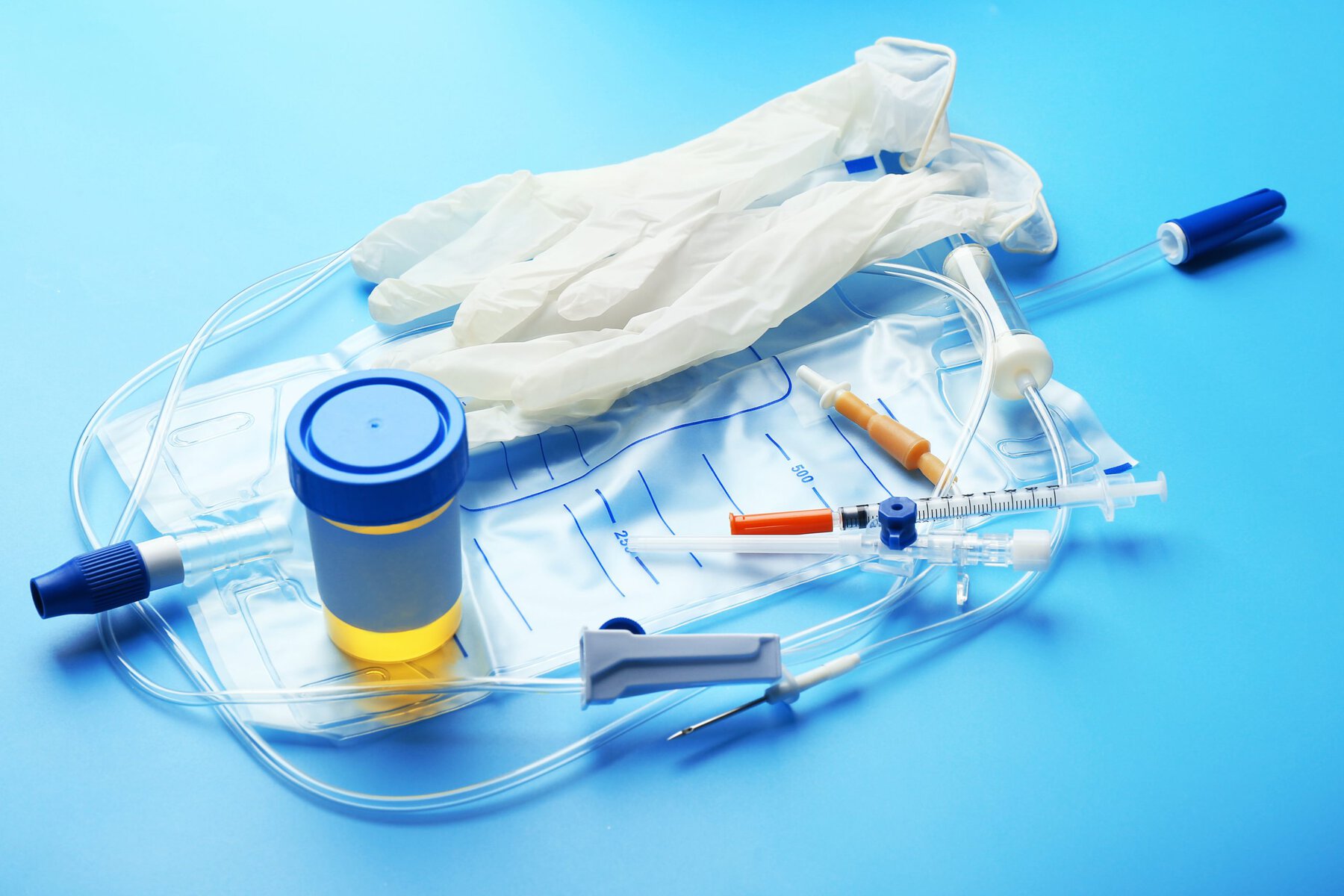
- Stay hydrated. It can be tempting to drink less when traveling to reduce restroom visits, but dehydration can increase your chances of developing a urinary tract infection (UTI). Drink normally and plan ahead for needed stops. Foley catheter or leg bag users will want to empty bags before long flights or road trips and during any layovers or stops. Accessible bathrooms aren’t always easy to find, so you may want to research your route ahead of time and plan necessary stops.
- Store urology supplies safely. If traveling by car in the summer heat, consider placing your supplies inside the car rather than the trunk. High temperatures can degrade supplies. Whether traveling by car or air, make sure your supplies are easily accessible. Don’t tuck them away under luggage or in checked bags. In addition, plan ahead for disposal. Pack a small travel disposal kit with sealable bags so you can easily and discreetly dispose of used supplies whether you’re on the road, in the air or enjoying your destination.
If traveling by air, follow these rules of thumb:
- Always keep at least 2-3 days’ worth of urology supplies in your carry-on so you’re not stranded without supplies if your checked bag is lost
- Split the rest between checked bags
- If traveling with a companion, put some in their bag, too
If you’re traveling internationally, remember to:
- Carry your medical supplies in original packaging as much as possible (which makes going through customs easier).
- Bring copies of your prescriptions.
- Learn key medical phrases.
- Research local healthcare resources before your departure.
How Can You Prevent a UTI While Traveling?
To reduce your risk of a UTI while traveling:
- Stay hydrated.
- Follow your catheterization schedule.
- Empty drainage bags regularly.
- Wash your hands before catheterization.
- Carry sterile supplies.
- Seek medical care if symptoms develop. It may be helpful to research ER and urgent care locations along your route or at your destination so you know where to seek care if needed.
Watch for the warning signs of a UTI:
- Fever
- Cloudy urine
- Foul odor
- Pain
If you do develop a UTI, you need to know where to seek treatment. Before you go, research the nearest ER or urgent care locations along your route and at your destination.
Wherever you’re headed, a little planning ahead and careful packing can ensure your trip is full of fun and memorable moments.
Get started with Urology Supplies Today!
NSM’s Medical Supplies team is ready to help you find the right formulas, equipment and accessories — with service you can depend on every day. Contact us at SuppliesReferral@nsm-seating.com or call (844) 292-8887 and let our friendly, knowledgeable Medical Supplies Care Team guide you through the process of implementing a customized plan based on your needs.
Learn more at nsm-seating.com/medical-supplies/urology-supplies.
More Stories
Related Articles
Bionic Assistive Devices: Robotic Arms, Exoskeletons & Smart Wheelchair Technology
A Guide to Today’s Assistive Technologies Reviewed by: Kelsy Brown, OTD, OTR/L Lindsey Sharpe PT, DPT, ATP Taking a sip of water. Standing at the kitchen counter…
Traveling with Catheters: TSA Rules, Packing Tips and Flying with Urology Supplies
With a little planning, traveling with catheters and urology supplies can be easier than you think Reviewed by the NSM Medical Supplies Team You can safely…

Does Insurance Cover Transportation for Wheelchair Repair or Evaluation Appointments?
In most cases, no. Many private health insurance plans, Medicare and Medicaid programs do not routinely cover transportation to Complex Rehabilitation Technology (CRT) evaluations, fittings or repair appointments. At a Glance What Does…