
CONCORD MOMENTUM ACADEMY EDUCATION & TECHNOLOGY EXPO
Tuesday, September 1, 2026
Hilton Concord
Concord, CA
Event Highlights
- Earn up to 6 hours of continuing education (CE) credits for PT, PTA, OT, COTA, ATP
- Network with industry professionals
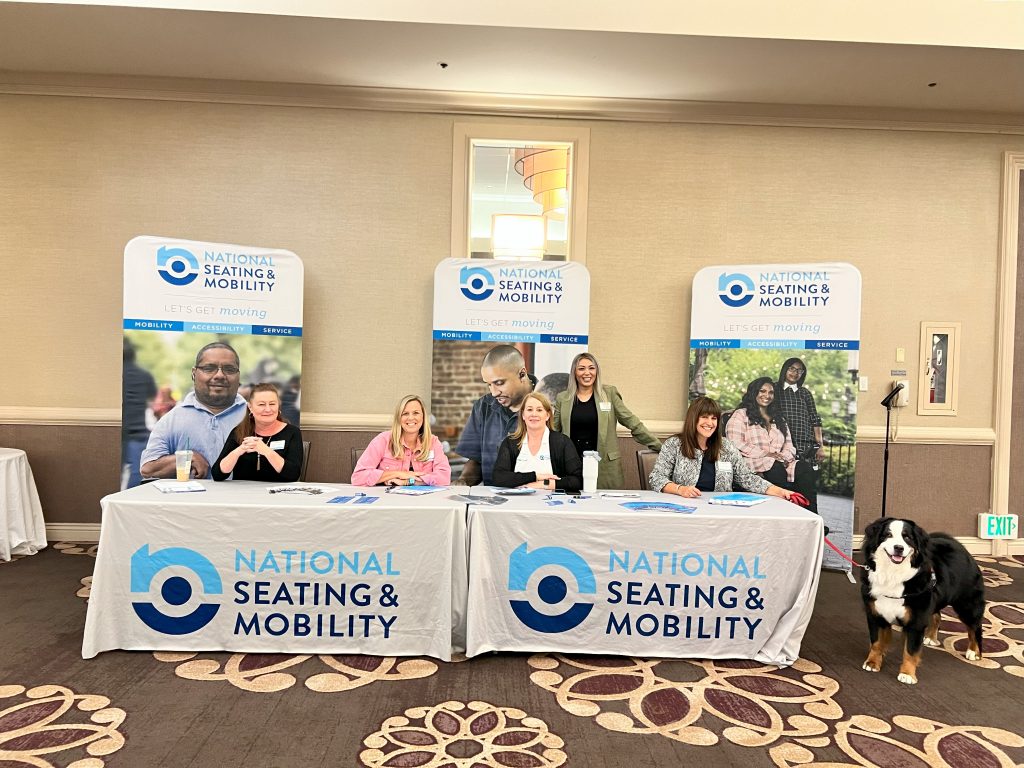
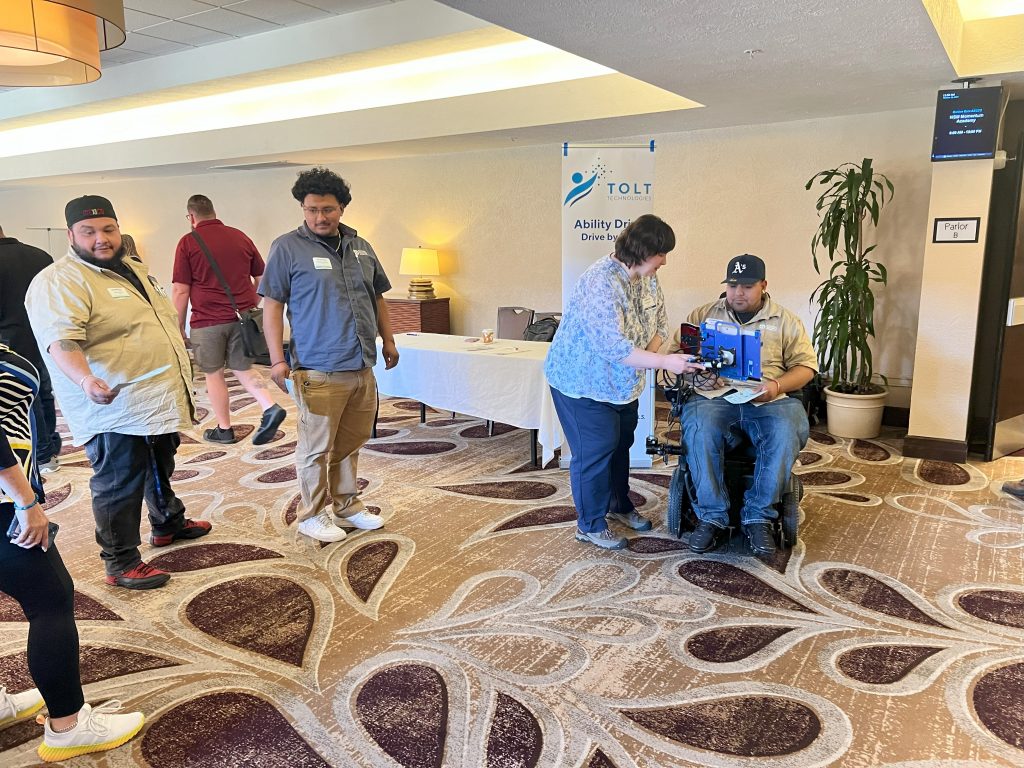
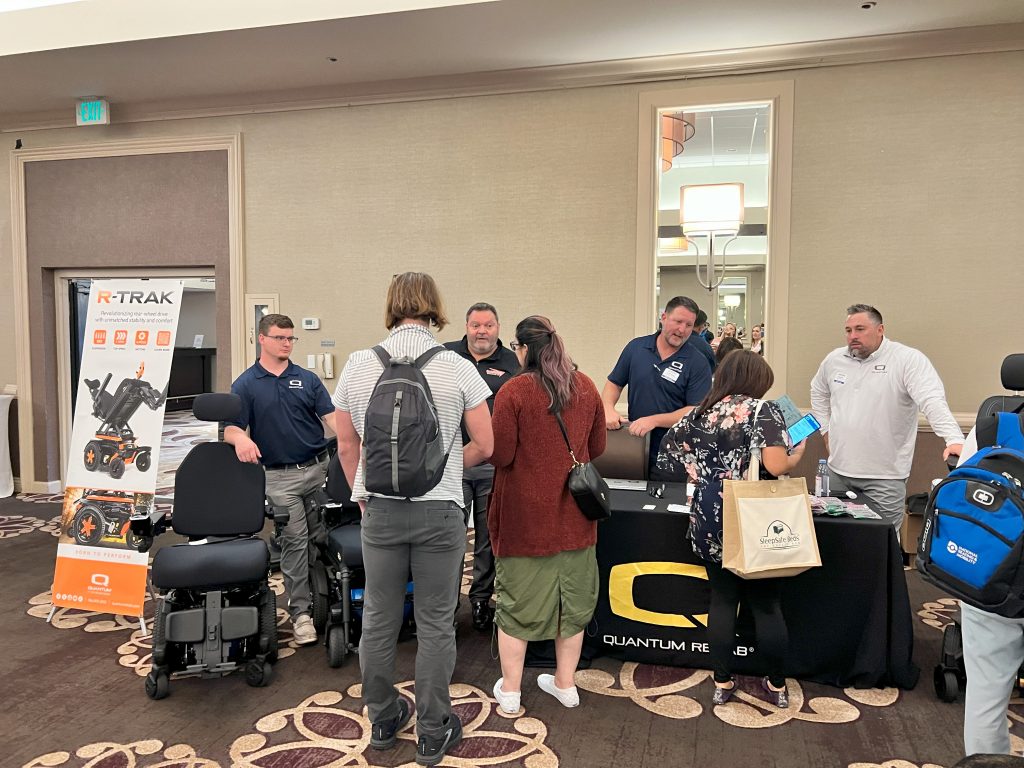
- Exhibit hall with the latest assistive technology
- Breakfast and lunch provided
The rate is: $69 for up to 6 CE credits

SCHEDULE OF EVENTS
7:00am - 7:45am: Registration
7:45am - 8:00am: Kick-off
8:00am - 12:00pm: Education Courses
12:00pm - 1:00pm: Lunch
1:00pm - 5:00pm: Education Courses
The Supplier Exhibit Hall will be open throughout
the day with 2 hours of dedicated exhibit hall time.
Click here to view full event schedule.
Continuing Education Courses
Building for the Future – Comprehensive Evaluation and Interview to Address the Equipment Needs of the Pediatric Client
0.1 CEU / Intermediate
Presented by: Lauren O'Rourke, PT, DPT, ATP, CPST
Etac/Ki Mobility
Children with special healthcare needs may have many needs that differ from their typically developing peers. This may include adaptive equipment to maintain or improve health status, help them function, and meet developmental milestones. Refined assessment tools allow for early diagnoses, which then leads to early therapeutic intervention. As a result, we can anticipate what the functional impairments are going to be, and what type of equipment may be indicated.
The timing of interventions, including provision of adaptive equipment, can be a critical contributor to success in meeting therapeutic goals. Professionals involved in equipment prescription should recognize what types of equipment may be helpful, based on timing and diagnosis. This presentation will review childhood development and disability and encourage the learner to consider the scope of possible equipment needs for the child with special healthcare needs.
Deciding on Power: Clinical Implications and Client Considerations
0.1 CEU / Beginner
Presented by: TBD
Quantum Rehab
Individuals with chronic medical conditions and long-term disabilities who have a permanent need for a wheelchair require a comprehensive, detailed evaluation of their physical, functional and environmental needs to allow clinicians and ATP suppliers to make appropriate Assistive Technology recommendations for a successful outcome.
This course will examine the algorithmic approach when deciding on power mobility base selection while also discussing key performance parameters and capabilities of power options that lead to equipment recommendations specific to group categories and clinical implications. This framework will provide clinicians with the tools necessary to effectively evaluate and document the medical need for Power mobility intervention and assist the supplier ATP in matching an individual's identified needs to the technology interventions.
The Drive for Function and Development: Alternative Drive Control Considerations for Early Power Mobility
0.1 CEU / Beginner
Presented by: TBD
Quantum Rehab
Assessing an end user for power mobility can be an intimidating task. Decisions that are made will have an impact on the individual’s quality life, functional mobility, physical well-being, and social interactions. This task can seem even more daunting when it comes to the pediatric end user. Children have the natural desire to move, explore, and learn. Research has shown that there is a strong correlation between self-initiated mobility and the development of visual, cognitive, social, language, and perceptual skills. This course will discuss the characteristics and decision-making process for alternative drive control devices, as well as the special considerations on early power mobility intervention. Potential assessment and training tools for pediatric power mobility will also be explored.
Making Power Wheelchairs Smarter: Exploring the Continuum of SMART Technology
0.1 CEU / Intermediate
Presented by: Angela Rieger, OTD, OTR/L, ATP
LUCI
Many power wheelchair drivers face a variety of issues related to their independence, safety, efficiency, and accessibility as a result of impaired motor control, visual deficits, impaired reaction time, inattention, and various other deficits that are common among wheeled mobility users. This course will review the continuum of currently available SMART technologies that can be incorporated into the power wheelchair to address these issues and improve driver safety, confidence, and independence.
Building Firm Foundations in Early Intervention: Adaptive Standing as AT
0.1 CEU / Intermediate
Presented by: Jason Mehler, PT DPT
Rifton
This course highlights the critical importance of early diagnosis and the timely use of assistive technology to support children from birth to age three. Assessments for early diagnosis can identify the risk of cerebral palsy as early as four months of age. Current participation-based practices will incorporate equipment such as standers to implement postural management, promoting engagement in daily routines while leveraging crucial early brain plasticity. Specific strategies will strengthen communication among providers, families, and the EI team. Understanding key laws under IDEA will enable the team to successfully navigate funding for standing devices and similar essential assistive technology.
A Twist on Power Assist for the Manual Wheelchair Rider
0.1 CEU / Intermediate to Advanced
Presented by: Lauren O'Rourke, PT, DPT, ATP, CPST
Etac/Ki Mobility
It is well documented that there is a high rate of upper extremity repetitive strain injury (RSI) among manual wheelchair riders. In addition to the risk of RSI, physical ability and the environment of use can pose further challenges to mobility. These factors can affect accessibility, speed, distance, and duration of travel, potentially limiting an individual’s social participation. Even the act of propulsion itself can hinder tasks that require the use of one or both hands during movement. Power assist technology has provided a solution to these challenges for many wheelchair riders.
While power assist technology has been available for some time, its popularity is increasing as more professionals and users recognize the advantages it can provide. To assist users in making informed prescriptive decisions, professionals must understand this evolving technology and be aware of the increasing diversity of product choices available. This presentation will discuss the mobility and health-related challenges that come with propelling a manual wheelchair. We will consider alternatives to address these challenges and review the various types of power assist devices currently available.
Aligning Seating Technology with Clinical Needs - Pediatric Wheelchair Cushions and Backs
0.1 CEU / Intermediate
Presented by: Lauren O'Rourke, PT, DPT, ATP, CPST
Etac/Ki Mobility
For many years, there were only a couple basic choices of primary supports for pediatric wheelchair users: custom configured or custom molded, with limited choices in between. The options available in seating technology for the pediatric client have expanded considerably over the years, and today there are a number of off-the-shelf, out-of-the-package products available. This greater range of available products requires professionals to be more discerning regarding the variety of choices before them, and recognize which product accomplishes the objective in a clinically appropriate way. We know that children are not just a smaller version of the adult client and that their needs can be different. What does the research say about what is important for the pediatric client regarding postural support and addressing postural asymmetries, maintaining tissue integrity, facilitating function, etc. This reworked presentation will explore the types of seating technology on the market and seek to inform clinical practice by discussing considerations and applications of the various types of technology for primary supports for the pediatric wheelchair user.
Evidence-Driven MWC Configuration: Optimizing Fit and Function for Different Body Types and Propulsion Methods
0.1 CEU / Intermediate
Presented by: David Miller, MA, OTR/L, ATP/SMS
Permobil
This 1-hour course is designed to help providers and clinicians develop best practices for recommending complex rehab technology (CRT) manual wheelchairs for individuals with varying body proportions and propulsion styles. Using the ICF model, the course will guide participants through the decision-making process, balancing evidence with functional outcomes to ensure successful CRT seating and wheeled mobility solutions. Through case examples and clinical reasoning discussions, participants will learn to identify clients' individual clinical and functional goals, driving configuration and component recommendations that enhance functional mobility outcomes, participation, and overall satisfaction with the equipment, ensuring a good person-technology match.
3:00pm - 4:00pm
See Me, Not CP
0.1 CEU/ Intermediate
Presented by: Stephanie Tanguay, OT/L, ATP
Invacare/Motion Concepts
Self-mobilization has been acknowledged as a developmental milestone. While the benefits of self-movement have become more widely recognized, there are many obstacles which hinder access to powered mobility for young consumers. Skills tests are often designed for traditional joystick users, not for alternative input configurations which are frequently utilized by consumers with a diagnosis of Cerebral Palsy. Demonstration of proficiency is a common expectation to secure funding, rather than a goal to work towards once the appropriate equipment is provided. It is important that consumers are given the best chance for success rather than be set-up to fail.
This session identifies some seating and positioning principles and equipment configurations which can enhance functional control and lead to successful mobility outcomes for self-mobility. Some aspects of the Pediatric Power Wheelchair Screening Test will be discussed.
When You Know Better, You Can Do Better. A course highlighting learning opportunities through less-than-ideal initial outcomes
0.1 CEU / Intermediate
Presented by: Daniella Giles, PT, DPT, ATP/SMS
Ride Designs
When providing custom seating systems, successful outcomes are dependent upon proper execution of standardized procedures including: A thorough discussion of needs, detailed mat assessment, precise measurements, accurate installation of components, individualized fitting protocols, and follow up appointments for fine tuning. Seems easy enough, right? A missed opportunity at any of these steps can leave the recipient with unintended struggles. How do we move past obstacles that inevitably arise during the process? This course is designed to highlight my personal experiences of overcoming inadvertent errors, strategy changes and less than desired outcomes.
3:00pm - 4:30pm
**1.5hr Course - limited to 20 participants**
Sharpen Your Skills - Power Mobility
0.15 CEU / Advanced-Hands On
Presented by: David Miller, MA, OTR/L, ATP/SMS
Permobil
Clinicians and providers must be able to evaluate and train their clients with power wheelchairs and seating systems that meet their clients’ needs. This can be challenging when many clinicians and providers often lack time and first-hand exposure on how to utilize complex power wheelchairs to complete functional tasks.
In this 90-minute interactive class, participants will be able to improve their understanding of power wheelchair mobility skills in order help them better facilitate their clients’ skill acquisition and outcomes. This course will review strategies for maneuvering various types of power wheelchairs, as well as discuss applications of combinations of power seat functions to complete everyday functional tasks. Participants will engage in experiential learning by operating power wheelchairs and utilizing power seat functions to perform occupation-based tasks and assess measurable functional outcomes. The course will also examine how seating systems and power wheelchair programming influence occupational performance and the development of mobility-related skills.
By the end of this course, participants will demonstrate an enhanced understanding of power wheelchair mobility, including the application of power wheelchair driving principles, occupation-based use of power seat functions, and the integration of seating and programming considerations to support clients’ daily occupational performance and participation.
Ahead of the Curve: Rethinking Plus Sized Seating and Mobility
0.1 CEU/ All Levels
Presented by: Stephanie Tanguay, OT/L, ATP
Invacare/Motion Concepts
Obesity has become common as a pre-existing condition during the last forty years, especially in North America. Rehabilitation professionals worldwide are challenged to maximize function mobility and all aspects of daily activity for consumers who have obesity as a secondary diagnosis. Finding appropriate equipment to meet the requirements of bariatric clients can be challenging, and the funding parameters for qualification and reimbursement can complicate this even more. Five years ago, there were more commercially manufactured bariatric cushions, back supports, manual and powered mobility devices available than ever before; not so today. Now more than ever, it is imperative that prescribers and providers properly measure the bariatric client and configure the equipment with understanding of weight distribution on base stability and seated orientation.
This session will examine the impact of redundant tissue and weight distribution on seated posture and wheeled mobility stability and performance. Measurement and accommodation of excessive tissue as it relates to the configuration of seat and back support surfaces and mobility devices will be discussed. Case studies including consumers with a variety of diagnosis and complex tissue distributions will be presented to illustrate challenges and contribute to problem solving.
Dialing It In: Drive Wheel Configuration and the Impact on Programming Alternative Drive Controls
01. CEU / Intermediate
Presented by: TBD
Quantum Rehab
Controlling a power wheelchair isn’t one-size-fits-all—especially when comparing proportional controls to alternative switched controls. Each method offers unique challenges and opportunities, and understanding these differences is key to delivering the best possible user experience.
In this dynamic course, we’ll dive into the critical distinctions between control types, explore how drive wheel configurations impact performance, and uncover how personal preferences in driving parameters shape outcomes. You’ll learn how to fine-tune programming parameters and integrate them seamlessly with hardware choices to create a truly customized mobility solution.
Whether you're a clinician, technician, or assistive technology professional, this course will equip you with the tools and insights to optimize every ride—empowering users with greater comfort, confidence, and control.
Explore the course offerings. You can pick & choose the classes you'd like to attend during registration.