
5 Tips to Create a Sensory-Safe Home Environment
Too loud. Too bright. Too much.

That’s exactly how the world can feel for children who deal with sensory overload.
Sensory overload happens when the body’s senses become overstimulated by loud noises, bright lights, strong smells or overwhelming environments. While commonly associated with Autism Spectrum Disorder (ASD), sensory overload also affects people with ADHD, sensory processing disorders, anxiety, PTSD and other neurodevelopmental conditions.
In addition, according to the Children’s Hospital of Philadelphia, many people with ASD often have some form of co-occurring condition such as ADHD, Obsessive Compulsive Disorder (OCD), epilepsy, Rett or Williams Syndrome, sleep disorders and more. Many of these conditions can also contribute to sensory overload.
What Does Sensory Overload Look Like?
Sensory overload can look a little different for everyone, but common signs include:
- Physical reactions such as covering ears, closing eyes, rocking, pacing, or other self‑soothing behaviors
- Irritability, anxiety, meltdowns, or shutting down
- Withdrawing from the space or refusing to enter
- Physical symptoms like increased heart rate, sweating or headaches
How to Create a Sensory-Safe Home Environment
As a parent, you can’t control every aspect of what your child experiences outside your home, but you can take steps to ensure your home is a sensory-safe environment. To do so, you can reduce potential triggers and add supportive tools that help your child feel safe, regulated, and calm.
Reduce Sensory Overload in Key Environments
Use dimmable lamps instead of harsh overhead lighting, soften noise with rugs and curtains, and avoid strong smells from candles or cleaners. Reduce visual clutter to simplify the space.
Create a Space Where Kids Can Decompress
Children who deal with sensory overload often need a space where they can go to self-regulate. Provide a calm space with soft textures, low lighting and tools like weighted blankets or fidgets to help children decompress.
Ensure Sleep Safety
Sleep can be challenging for children with sensory regulatory disorders. Safety beds, such as Cubby Beds, ZPods and Beds by George are often beneficial for kids with ASD or other neurodevelopmental conditions by preventing nighttime wandering and creating a calming environment where children can decompress. Some beds offer calming sounds, remote monitoring or ambient lighting, but you can also help your child sleep better with blackout curtains, white noise machines and a consistent bedtime routine.
Support Communication with AAC Tools
Some children with ASD are non-verbal, while others experience shutdowns or become non-verbal during sensory overload. Augmentative and Alternative Communication (AAC) tools — like picture boards or speech-generating devices — allow children to express needs when speaking is difficult. Devices such as the Logan Proxtalker or RM Speech’s Nuvo S Series speech-generating devices give children the ability to communicate even when overwhelmed.
Control Your Child’s Sensory Experience on the Go
New environments can heighten sensory stress for some children. Adaptive strollers may be helpful when navigating unfamiliar environments or crowded public spaces by helping children feel safe and regulated. For car rides — which easily create sensory overload due to the confined space, vibrations and motion — specialized car seats or safety vests can provide a secure, predictable environment. In addition, sunglasses, noise-canceling headphones or weighted blankets may also be helpful when you’re on the go.
Ready to create a home where your child feels safe, calm, and supported?
NSM is here to help. With expert guidance and access to trusted equipment — from sleep‑safe beds to adaptive seating and communication tools — our team partners with families to build environments that truly meet each child’s unique sensory and safety needs. Connect with NSM today, and let’s create a space where your child can thrive.
More Stories
Related Articles
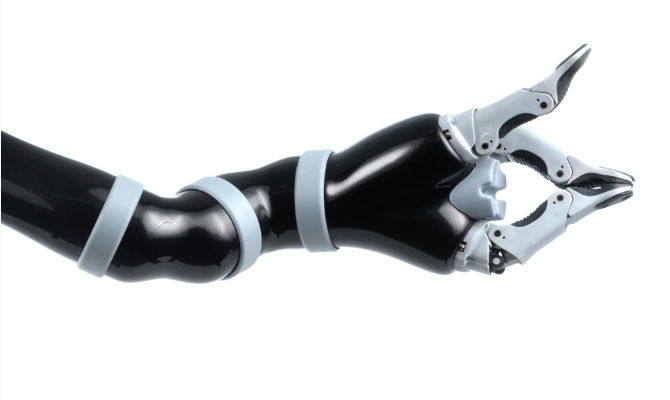
Bionic Assistive Devices: Robotic Arms, Exoskeletons & Smart Wheelchair Technology
A Guide to Today’s Assistive Technologies Reviewed by: Kelsy Brown, OTD, OTR/L Lindsey Sharpe PT, DPT, ATP Taking a sip of water. Standing at the kitchen counter…

Traveling with Catheters: TSA Rules, Packing Tips and Flying with Urology Supplies
With a little planning, traveling with catheters and urology supplies can be easier than you think Reviewed by the NSM Medical Supplies Team You can safely…
Does Insurance Cover Transportation for Wheelchair Repair or Evaluation Appointments?
In most cases, no. Many private health insurance plans, Medicare and Medicaid programs do not routinely cover transportation to Complex Rehabilitation Technology (CRT) evaluations, fittings or repair appointments. At a Glance What Does…